English
 Français



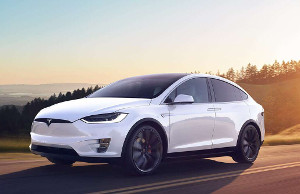 On the 23rd of March, 2019, Walter Huang died on board of his autonomous car. On the 26th of April 2019, the family of the victim pressed charges against Tesla accusing the company of having set up a faulty Autopilot system causing the death of their beloved one.
The Tesla Model X 2017 had hit a concrete safety barrier on the 101 Mountain View highway in California. The deceased driver was an Apple engineer. The vehicle’s on-board computer, which was functioning at the time of the incident, is believed to have misinterpreted the information. The vehicle accelerated instead of reducing its speed moving in haste towards the barrier.
Following the accident, Tesla has published a note on its blog declaring that the driver had not followed the safety procedure. This information was then confirmed by a preliminary report published by the National Transportation Safety Board (NTSB), in June 2018.
The vehicle had issued two visual alerts and an auditory alarm for the driver to take control of the vehicle by placing his hands on the steering wheel. The alert was given 15 minutes before the crash. Nevertheless, the NTSB was unable to hold the vehicle’s Autopilot responsible for the tragedy.
Afterwards, a second complaint against the State of California was filed by the Huang family who claimed that the concrete barrier was not protected by a shock attenuator. Equipment that could have saved the victim’s life.
As Tesla prepares to launch a new line of autonomous taxis, the problems associated with its automatic steering system could call into question its technical effectiveness and undermine its development.